
Ensuring Excellence: The Role of QA/QC Engineering

Quality Assurance and Quality Control Engineering, often referred to as QA/QC Engineering, is a pivotal discipline across various industries. It serves as the bedrock upon which products, processes, and design plans are establish to meet stringent quality standards. QA/QC engineers are entrusted with the responsibility of ensuring that excellence is not a happy accident but […]
The Journey of Tap Water: From Source to Tap

Tap water is an essential part of our daily lives, flowing through our homes and businesses with the turn of a faucet. However, have you ever wondered where this seemingly endless supply of clean tap water comes from? The truth is, the water that gushes out of your tap goes through a fascinating journey before […]
Enhancing Flood Protection in New Jersey: Addressing the Challenges of Rising Flood Risk
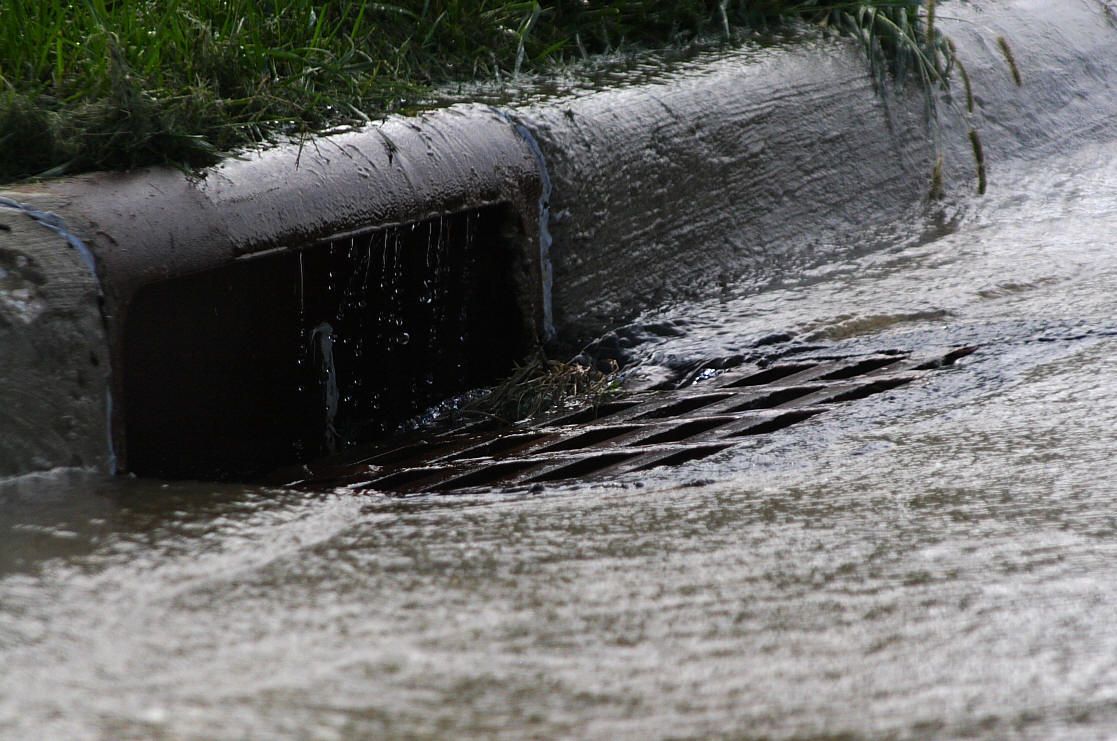
New Jersey, a state of scenic beauty and bustling communities, faces a daunting challenge in managing its flood risks through floor protection. Currently ranked as the third highest state in the nation for National Flood Insurance Program (NFIP) claims, New Jersey must tackle the complexity of riverine and coastal flooding, as well as outdated flood […]
Enhancing Safety in Public Parks: The Role of Municipal Engineering
Enhancing Safety in Public Parks: The Role of Municipal Engineering Public parks are valuable community spaces that provide opportunities for outdoor recreation and relaxation. However, ensuring the safety of park visitors is of utmost importance. Municipal engineering plays a crucial role in enhancing safety measures within public parks. In this blog, we will explore some […]
From Trash to Treasure: The Benefits of Transforming Retired Landfills Into Solar Farms

Solar farms are becoming an increasingly popular way to generate clean, renewable energy. A solar farm is a large-scale facility that uses solar panels to convert the energy from the sun into electricity. Solar panels are also known as photovoltaic (PV) panels, and they provide esidential homeowners, commercial and industrial businesses, and public entities access […]
What Is Transportation Engineering Exactly?

Civil engineering is one of the largest branches of professional engineering, as well as the oldest. Civil engineers are concerned with the design and maintenance of the built environment. This includes all types of residential, commercial, industrial, and civic structures as well as infrastructure such as roads, bridges, dams, waterways, and beyond. Transportation engineers specialize […]
Designing Accessible Parks and Recreation Spaces for Everyone

Inclusive Engineering: Designing Accessible Parks and Recreation Spaces for Everyone Have you ever been to a park or trail and noticed that the space’s design was not accessible? While this thought may not occur to individuals without disabilities, it is a common realization for those who utilize wheelchairs, strollers, or similar methods for mobility. The […]
Engineering in Cold Climates: The Importance of Designing Projects to Withstand Freezing Temperatures, Ice & Snow

There are several factors that a Civil Engineer must consider during the planning stages of a project. One of the most crucial factors an engineer must take into consideration in any design is the location of the project and that location’s climate. In geographical areas that experience all four seasons, an engineer’s designs must be […]
What is a land survey and when do you need one?
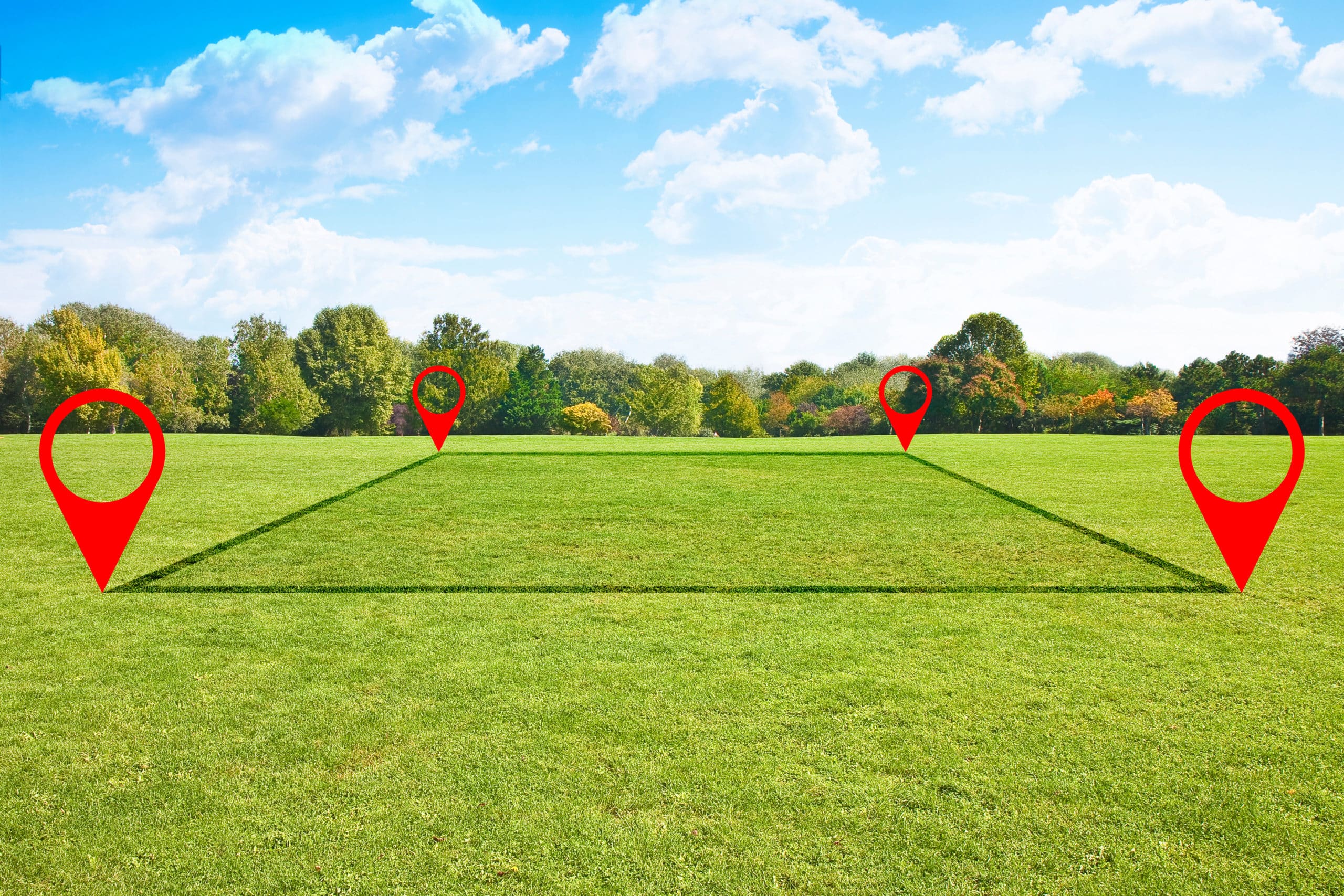
What is a land survey? In its most basic form, a land survey is a report, drawing or map of a parcel (or parcels) of land. It often includes details of a property pertaining to shape, size, boundaries and beyond. Land surveys can vary in detail, but often include precise property measurements taken by a […]
What Is Green Infrastructure and How Does It Benefit Our Planet?

What is green infrastructure? How does it benefit our planet? To understand what green infrastructure is, we must first understand the basics of stormwater management. Broadly, stormwater management is defined as structural and non-structural methods to control runoff from rainwater and snowmelt from directly entering local waterways or sewer systems to reduce flooding and property […]