

When planning a development project or an infrastructure upgrade, geology might not be the first thing on your mind—but it should be. The ground beneath your project can make or break its success. From soil stability to groundwater contamination investigations, geological factors influence safety, compliance, and cost efficiency.
At Carroll Engineering, we provide comprehensive environmental engineering services that often require collaboration with geologists. Understanding when to hire a geologist can save time, money, and headaches down the road. This guide will help you identify those critical moments.
Why Geology Matters in Development Projects
Every project starts with the land—and what lies beneath it. Geological conditions affect everything from foundation design to stormwater management. Ignoring these factors can lead to structural failures caused by unstable soils or bedrock, environmental hazards such as contamination or erosion, and regulatory delays if geological assessments are required for permits. Simply put, geology isn’t optional, it’s foundational for site feasibility and long-term success. A geologist’s expertise ensures your project is built on solid ground—literally.
When Should You Hire a Geologist?
There are several key stages in a project where geological expertise is essential:
Site Selection and Feasibility Studies
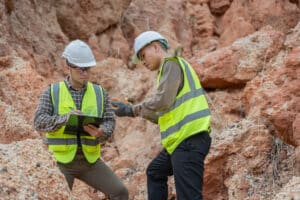
Before purchasing land or approving a site plan, a geologist can perform a site feasibility assessment. This includes analyzing soil composition, bedrock depth, and groundwater conditions, helping you avoid costly surprises later. Choosing the wrong site can lead to expensive remediation or even project abandonment.
Foundation Design and Stability
Large structures, bridges, and municipal facilities require stable foundations. Geologists provide subsurface data that engineers use to design safe, cost-effective foundations. Without this data, you risk structural instability and long-term maintenance issues.
Environmental Compliance and Permitting
Many projects require geological input for stormwater management, erosion control, and wetland delineation. A geologist ensures compliance with local, state, and federal regulations, which helps you avoid delays and fines that can derail your timeline.
Groundwater, Soil, and Soil Vapor

If your site has a history of industrial use or is near potential contamination sources, a geologist can evaluate groundwater, soil, and/or soil vapor contamination risks. This step is critical for remediation planning and public health protection. Skipping it can lead to liability issues and environmental damage.
Slope Stability and Landslide Risk
Projects near hillsides or areas with elevation changes need slope stability evaluation. Geologists identify risks and recommend mitigation strategies to prevent landslides or soil movement, protecting both your investment and public safety.
Mining or Quarry-Adjacent Development
Municipalities near mining operations face unique geological challenges. A geologist can assess vibration impacts, subsidence risks, and long-term stability to ensure your project remains secure.
How Carroll Engineering Integrates Geological Expertise
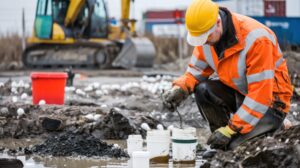
At Carroll Engineering, we offer a full suite of environmental engineering and geology-related services. Our team collaborates with geologists to streamline permitting processes, mitigate risks early in project planning, and optimize design for safety and cost efficiency. From municipal infrastructure projects to land development plans, we ensure geology is factored into every decision so you can build with confidence.
Hiring a geologist isn’t just about compliance—it’s about building on a solid foundation. Whether you’re a municipality planning infrastructure upgrades or a developer breaking ground on a new project, geological expertise is essential. Ready to start your next project with confidence? Contact our Professional Geologist, Adam Pelak, P.G., at apelak@carrollengineering.com or visit our website to learn more about our integrated environmental and geological support.
