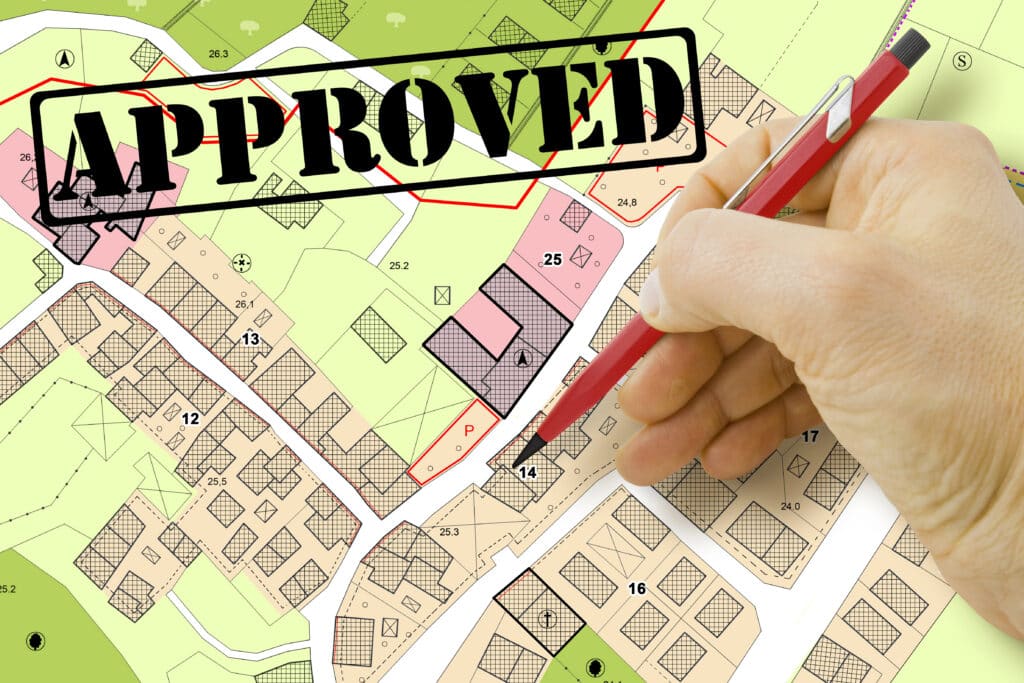
Zoning regulations are designed to create order, consistency, and predictability in land use. But real-world projects do not always fit neatly into zoning codes written decades ago. That is where variances come into play.
If your project hits a zoning roadblock, a civil engineer can be the difference between a stalled application and an approval that actually moves forward.
What Is a Zoning Variance?
A variance is formal permission to deviate from specific zoning requirements when strict compliance would create a hardship. Common variance requests include setbacks, lot coverage, building height, parking counts, and impervious coverage.
Variances are not automatic. They require clear justification, technical support, and a strong case presented to the zoning or planning board.
When Projects Commonly Need Variances
Projects often require variances due to existing site constraints or redevelopment conditions, such as:
- Irregular or undersized lots
- Environmentally constrained properties related to natural resources
- Existing buildings that do not comply with current zoning requirements (for example, a use change)
- Redevelopment in established communities
- Conflicting bulk or dimensional requirements
These situations are common, especially in older municipalities where zoning codes have evolved over time.
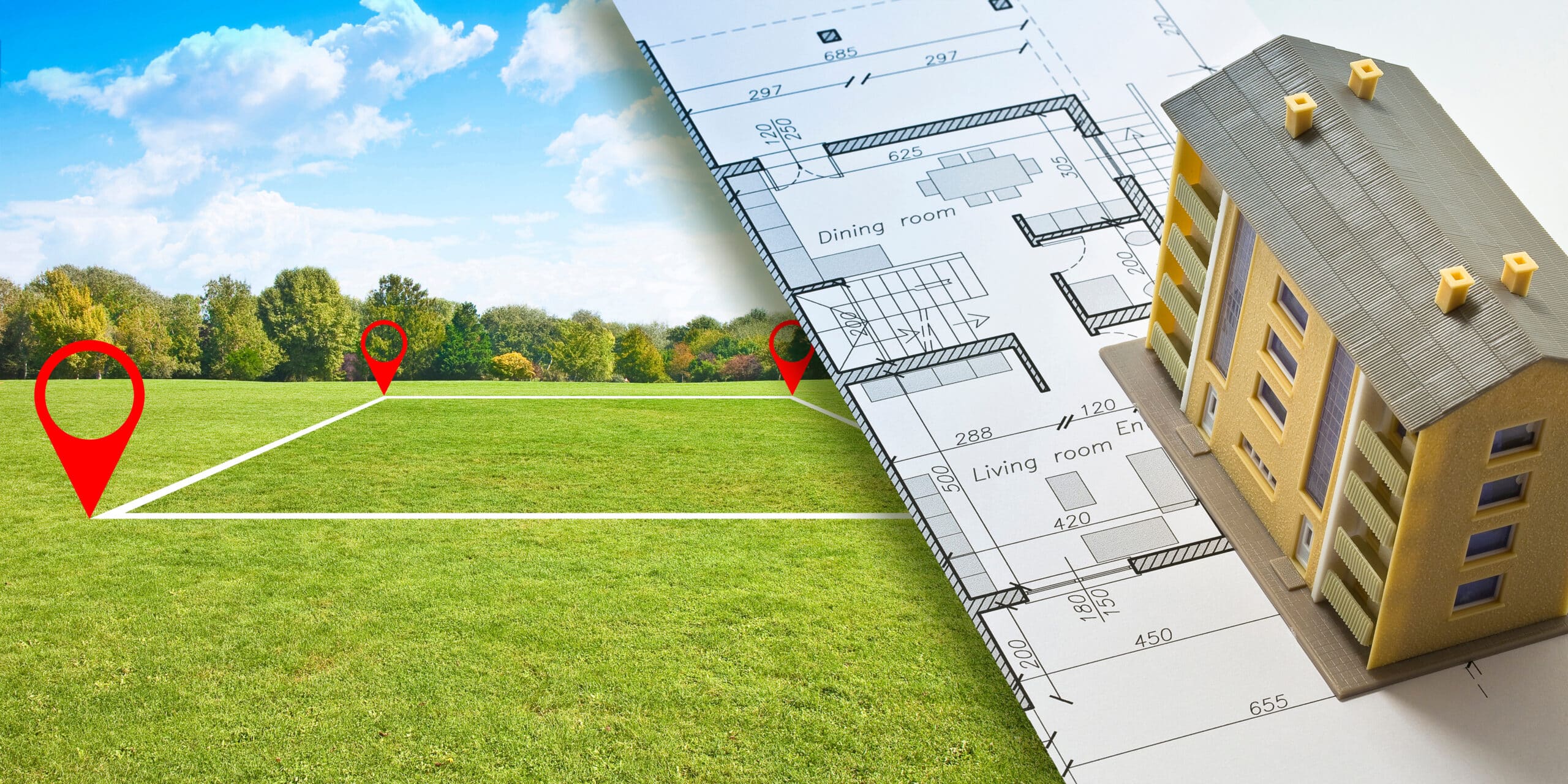
How Civil Engineers Support Variance Approvals
Civil engineers do far more than draw site plans. They help shape the approval strategy from day one.
- Identifying Variance Needs Early: Engineers review zoning ordinances and overlay requirements early in the design process. This helps flag potential variances, typically during the conceptual phase, saving time and avoiding redesigns later.
- Designing With Approval in Mind: Rather than pushing an aggressive layout, engineers often design the most compliant plan possible (“by right”) and clearly document where relief is required. This shows boards that the applicant made every effort to comply.
- Preparing Technical Justification: Variance approvals rely on facts, not opinions. Civil engineers prepare exhibits, calculations, and analyses that support the legal criteria for a variance, and this technical backing gives boards confidence in the request. These justifications include:
- Site constraints and physical limitations
- Safety and circulation impacts
- Stormwater and drainage considerations
- Consistency with surrounding development
- Coordinating With Municipal Review Agencies: Engineers coordinate with zoning officers, planners, and municipal engineers to resolve comments early. Addressing concerns before public hearings often leads to smoother meetings and fewer conditions.
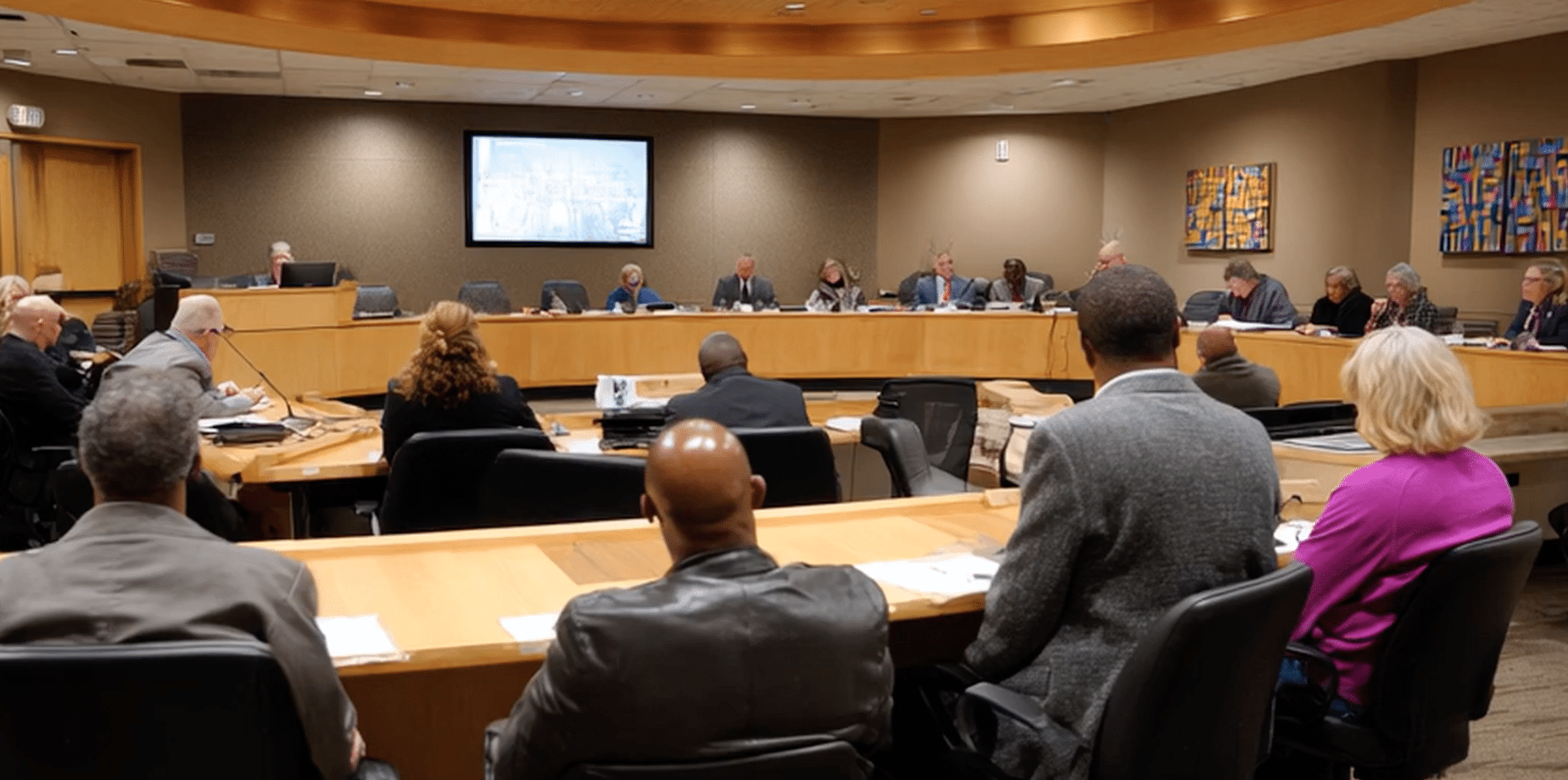
- Presenting at Public Hearings: During zoning or planning board hearings, civil engineers explain the technical aspects of the project in clear, practical terms. This helps board members and the public understand why the variance is reasonable and appropriate.
The Role of Land Use Attorneys in the Variance Process
While civil engineers play a critical role in preparing and supporting variance applications, Land Use Attorneys are typically recommended to quarterback this process.
Land use attorneys guide applications through the zoning and land development approval framework. They interpret zoning requirements, establish the legal basis for the variance, manage filings, and lead zoning or planning board presentations.
Civil engineers then carry that strategy across the goal line. Once the legal framework is established, engineers provide the technical analysis, site design, and supporting exhibits that turn legal arguments into a clear, defensible approval request. This collaboration helps boards understand not only why relief is justified, but how the project can move forward responsibly.
The most successful variance approvals occur when land use attorneys and civil engineers work together early in the process, aligning legal strategy with sound engineering from day one.
Why Engineering Support Matters
Boards are far more receptive when variance requests are supported by solid engineering analysis. Poorly documented or speculative requests tend to get delayed, conditioned heavily, or denied outright.
A well-prepared engineer helps demonstrate that the variance:
- Is driven by site conditions, not convenience
- Will not create negative impacts
- Maintains the intent of the zoning ordinance
- Is consistent with the surrounding area
That credibility goes a long way.
Planning Ahead Leads to Faster Approvals
If your project may need a variance, involving a civil engineer early is one of the smartest moves you can make. Early analysis, strategic design, and clear documentation often mean fewer hearings, less back and forth, and a smoother approval path.
Variance approvals are rarely simple. But with the right engineering support, they do not have to be a dead end.
How Carroll Engineering Can Help
At Carroll Engineering, we work with property owners, developers, municipalities and beyond to navigate zoning and variance approvals efficiently and strategically. Our team understands how local ordinances are applied in the real world and how to support variance requests with clear engineering analysis, thoughtful design, and straightforward communication with review agencies and boards.
Whether you are early in the planning phase or already facing zoning challenges, we help identify issues upfront and keep projects moving toward approval.
Have a project that may need a variance? Get in touch with Carroll Engineering’s Planning & Site Design Department Manager, John Koutsouros, PE, VP at jkoutsouros@carrollengineering.com or 215-268-3808 to start the conversation and find the right path forward!
