
Winter puts pedestrian and roadway infrastructure to the test, particularly in regions like Pennsylvania and New Jersey where cold weather lasts for several months. Snow, ice, reduced daylight, and ongoing maintenance demands place added strain on sidewalks, crosswalks, and town roadways. These conditions quickly reveal which areas are performing well and which may need attention, repair, or future reconfiguration.
For municipalities, winter offers more than seasonal challenges. It provides real-world insight into how infrastructure functions under stress. Working with civil and traffic engineers, communities can use these observations to guide future planning and prioritize improvements that support safety, accessibility, and long-term performance.
Pedestrian Routes That Become Harder to Navigate
Sidewalks and walking routes that feel adequate in warmer months can become difficult to use once winter conditions set in. Snow accumulation, icy patches, and narrowed pathways may interrupt pedestrian movement and increase safety concerns, especially in higher traffic areas.
Common winter observations include:
- Sidewalks that feel too narrow after plowing
- Areas where ice consistently forms
- Pedestrian routes that force people closer to traffic
Engineers can help municipalities evaluate these conditions and identify opportunities to improve sidewalk layout, continuity, and overall usability when planning future upgrades.
Drainage and Surface Issues Revealed by Cold Weather
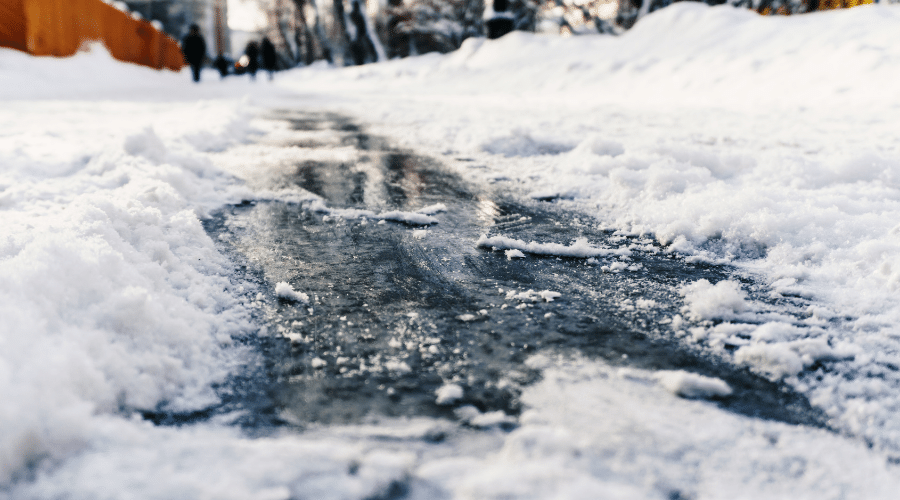
Freeze-thaw cycles can expose drainage and surface issues along sidewalks and roadways. Melting snow that refreezes overnight often signals areas where water is not draining effectively, creating recurring icy conditions.
Winter conditions may reveal:
- Low spots where water pools and freezes
- Sidewalk surfaces that remain icy longer than nearby areas
- Roadway edges that impact pedestrian access during melt events
Engineers can help municipalities assess these recurring patterns and consider practical solutions during future planning efforts to reduce winter-related hazards.
Crosswalks That Lose Visibility in Winter Conditions
Winter weather can significantly affect how visible crosswalks are to drivers. Snow cover, wet pavement, and road salt can reduce contrast and make markings harder to see, particularly during early morning and evening hours when visibility is already limited.
Things municipalities often notice include:
- Crosswalk markings that fade or blend into the roadway
- Pedestrian crossings obscured by plowed snow
- Intersections where pedestrian activity is harder for drivers to see
Traffic engineers can assist by reviewing crossing locations, visibility conditions, and overall layout to help inform future improvements that enhance driver awareness and pedestrian safety.
Visibility Challenges During Shorter Days
Shorter daylight hours and overcast winter weather affect visibility for both pedestrians and drivers. This often brings attention to areas where lighting or sightlines may be limited.
Winter can highlight:
- Poorly lit intersections or crossings
- Dark stretches of sidewalk along town roadways
- Locations where pedestrians are harder for drivers to see
Engineers can help evaluate these conditions and identify where future lighting or visibility improvements may enhance safety.
Winter Maintenance Impacts on Pedestrian Access
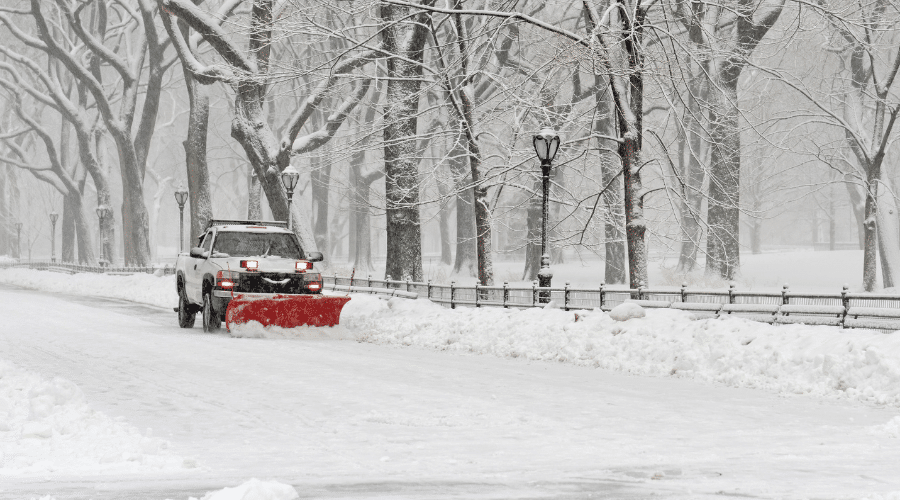
Snow removal and winter roadway maintenance play a major role in pedestrian accessibility. Winter conditions often highlight where maintenance practices unintentionally block sidewalks, curb ramps, or crossings.
Municipalities may want to track:
- Locations where snow is routinely piled near pedestrian areas
- Crosswalks and curb ramps that become blocked after plowing
- Pedestrian routes that are difficult to keep clear throughout winter
Engineering teams can support municipalities by helping align design decisions with maintenance realities to improve long-term functionality.
Using Winter Observations to Inform Future Planning
Winter conditions provide practical feedback on how pedestrian and roadway infrastructure performs under demanding conditions. Documenting recurring winter issues allows municipalities to work with engineering professionals to establish clearer priorities and plan targeted improvements.
By tracking what winter reveals, communities can develop informed plans for sidewalk, crosswalk, and roadway improvements that support safer pedestrian movement year-round.
Partnering With Communities for Smarter Infrastructure Planning
Carroll Engineering Corporation works with municipalities across Pennsylvania and New Jersey to support thoughtful planning and practical infrastructure improvements. Our team provides civil and traffic engineering services that help communities evaluate existing conditions, identify opportunities for improvement, and plan pedestrian and roadway upgrades that align with long-term goals and day-to-day realities.
By combining local experience with a collaborative approach, Carroll Engineering helps municipalities turn seasonal observations into actionable planning strategies. To learn more about how we can support your community’s planning efforts, send our team an e-mail at info@carrollengineering.com today.